




5 Video Game Mechanics That Work Surprisingly Well in Tabletop RPGs
Tabletop role-playing games (RPGs) have always thrived on creativity, storytelling, and cooperation. However lately GMs and players have been more and more inspired by video games when it comes to enhancing their tabletop campaigns. Video games,

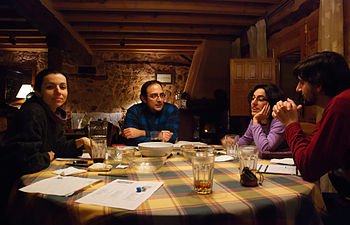
The fifth edition Dungeon Master’s Guide contains several maps in Appendix C. Time saver! Now start running your own games already! [Image courtesy Wizards of the Coast]
Most GMs, when they want to design new quests or game mechanics, turn to existing digital games for inspiration. Through options like a Razer Gold eGift card, players can be introduced to innovative systems of gameplay that may surprise us when we see how well they may be converted to tabletop games. By analyzing the digital versions of these systems, Game Masters will be able to come up with ways of turning them into new mechanics that will engage the players and make them relentlessly pursue the story.
Here are five video game mechanics that surprisingly work very well when adapted to tabletop RPGs.
5 Tabletop RPGs Mechanics
1. Skill Trees for Character Progression
Skill trees are very common in many video games as a means to structure the unlocking of new abilities. Rather than receiving arbitrary or preset powers when levelling up, gamers really decide which abilities they want to enhance. Skill trees could even strengthen the element of personalization in tabletop RPGs. The GM can prepare the different ability branches, such as fighting styles, different types of magic, or social talents. The players will then choose the ways that their characters change through the gameplay. This technique is especially useful in extensive campaigns because it gives each character a unique personality.
Even if two players belong to the same class, they can still have very different feelings depending on the abilities that they have decided to unlock. Another great thing about skill trees is that they give a player the chance to strategize their character’s growth well before the development is made, and this, in turn, gives more satisfaction when improvement is achieved.
2. Dynamic Quest Objectives
Several modern video games even provide quests that, in addition to responding player choices, keep changing. For example, the objectives might shift midway through the game, etc. Tabletop RPGs can also achieve this by designing quests that are changeable rather than definite.
For instance, a straightforward task to find a lost artifact could turn into saving someone who is being hunted by another party also looking for the same item. Dynamic objectives give players the sense that their decisions really matter. Instead of the story being set in stone, the game world changes according to their actions, thus enhancing immersion and motivating players to come up with inventive solutions. This method makes GMs’ lives easier, too, since they are able to keep the game going in an engaging manner as players always have some surprise up their sleeves.
3. Reputation and Faction Systems
The concept of faction reputation is a great example of a video game mechanic that has been successfully adapted to the world of tabletop RPGs. As a rule, when the player helps or opposes a particular faction in a lot of games, that faction’s attitude towards the player is affected at a later stage.
A GM can depict a range of factions to the players – guilds, kingdoms, secret societies, etc., each with their own goals and leading individuals. Players gain their reputation points mainly through finishing tasks, making alliances or even by switching to another faction through a betrayal. Functioning with these different groups is constantly opening a door to gain benefits like great gear, safe places, or a series of quests unique to the faction.
Conversely, a bad reputation may mean that the faction will be hostile to the player, will give the player higher prices or may even send the player for assassination. This feature helps to bring out the political aspect in the storyline and also pushes players to weigh their choices very well.
4. Environmental Puzzle Mechanics

Many video games challenge the player with environmental puzzles that require creative interaction with the world. Unlocking a door by means of a lever, moving a heavy object to free a path or combining two elements of the environment to make a new one are a few of the things that could be done by a player. In tabletop RPGs, environmental puzzles can be a great way to change the pace of the game, introducing some non-combat situations and being a good impetus for teamwork among players.
For instance, a dungeon might have a magic lock that is only opened when some characters simultaneously activate the runes, or a trap system that players can disable by changing the configuration of different parts of the room. The main point is that such multiple-step puzzles rely on observation of the environment and teamwork among players, rather than solely on their combat skills. Besides, the abilities and experiences test also succeeds in creating highly enjoyable moments through a mixture of genius and trial and error, which leads to success eventually.
5. Resource Management Systems
Resource management is one of the main elements of the gameplay that can be found in a wide range of strategy and survival games. Players are challenged to manage very scarce resources like stamina, crafting ingredients, or money to continue their lives and make progress. A good resource management system incorporated in a tabletop campaign can enhance players’ feeling of exploration. The characters will be required to keep a detailed record of their provisions, which could include items such as food potions, bullets, or magical power or energy.
A case in point is a story-driven game scenario in which players are made to guess what their next move is going to be (if they would fight, rest, or run) while at the same time having to ration their resources during a long and arduous journey through a dangerous wilderness. This approach, when executed properly, not only augments the level of suspense and the need for strategic planning but it also changes simple scenes of traveling into really captivating gameplay moments.
Bringing Video Game Inspiration to the Table
On the one hand, video games and tabletop RPGs scarcely ever rely on the same methods of storytelling. On the other hand, they both target the same result of creating engaging and believable worlds where players compose their own stories.
Introducing the finest mechanics from video games into tabletop gaming could breathe new life into existing campaigns and give players a chance to work with systems they already know. It is not only the style of quests, character improvement, and interaction with the world that many Game Masters borrow from other games to make their own games better. That is why a broad and constantly growing catalog of games and other digital content through gaming distribution platforms and similar digital marketplaces is a great source of inspiration. Thanks to a Razer Gold eGift card, for instance, the player can buy games or in-game items, which expose one to very diverse gaming mechanics, resulting in a tabletop gaming adaptation of the inspired mechanics.
There is no doubt that the most successful RPG campaign is one that tells a good story and features a great system of gameplay at the same time. Therefore, by bringing in elements such as skill trees, ever-changing quests, systems of reputation, environmental riddles, and the management of resources, the Game Master has a good chance to put together a very interesting and fresh adventure that will not be easily forgotten by every single player involved.
Conclusion
The great thing about mixing video game elements with tabletop RPGs is that it allows you to offer players something different and keep them interested. Such elements as skill trees, dynamic quests, faction reputation systems, environmental puzzles, and resource management not only give a nice framework to players’ activities but also allow the players to be creative and tell their own stories. If done well, such game systems deepen the players’ engagement and make every given decision more significant in the context of the game.
Most Game Masters still draw inspiration from digital games when coming up with new worlds and mechanics. Differently inspired by the titles and gameplay to discover different game styles – and not only through e.g. getting a Razer Gold eGift card – you can be offered innovative systems that surprisingly well are translatable into tabletop settings. By testing these ideas, GMs will be able to develop more complex campaigns that not only challenge players, but also stimulate their desire to work together and provide unforgettable gaming sessions.

No Comments